
Why Personalised Therapy Matters for Women Now
Why Personalised Therapy Matters for Women Now

Most traditional counselling methods overlook the unique psychological mosaic found in women navigating perimenopause and midlife transitions. With over 65 percent of women reporting that standard therapies fail to address their specific emotional challenges, the need for more targeted support is clear. Personalised therapy offers a tailored, compassionate pathway that recognises each woman’s story, delivering strategies that genuinely respond to their individual needs and psychological complexity.
Table of Contents
Key Takeaways
PointDetailsPersonalised Therapy ApproachPersonalised therapy tailors mental health interventions to the unique psychological experiences of individuals, moving away from one-size-fits-all models.Holistic Strategies for WomenTherapeutic approaches for women during perimenopause and midlife transitions consider hormonal, psychological, and relational factors, promoting deeper understanding and effective coping mechanisms.Transformative EmpowermentEmpowerment through personalised therapy includes building self-advocacy and emotional regulation skills, enabling women to reclaim their personal narratives and identities.Enhanced Outcomes Over Traditional MethodsPersonalised therapy provides significant advantages over traditional methods by addressing individual complexities and fostering genuine self-understanding and emotional healing.
Personalised Therapy Defined and Debunked
Personalised therapy represents a transformative approach to mental health treatment that moves far beyond traditional one-size-fits-all therapeutic models. At its core, this method recognises that every woman’s psychological experience is uniquely complex, shaped by individual history, neurological patterns, and life circumstances.
Personalised therapyfundamentally challenges generic treatment protocols by tailoring interventions specifically to an individual’s precise emotional landscape.
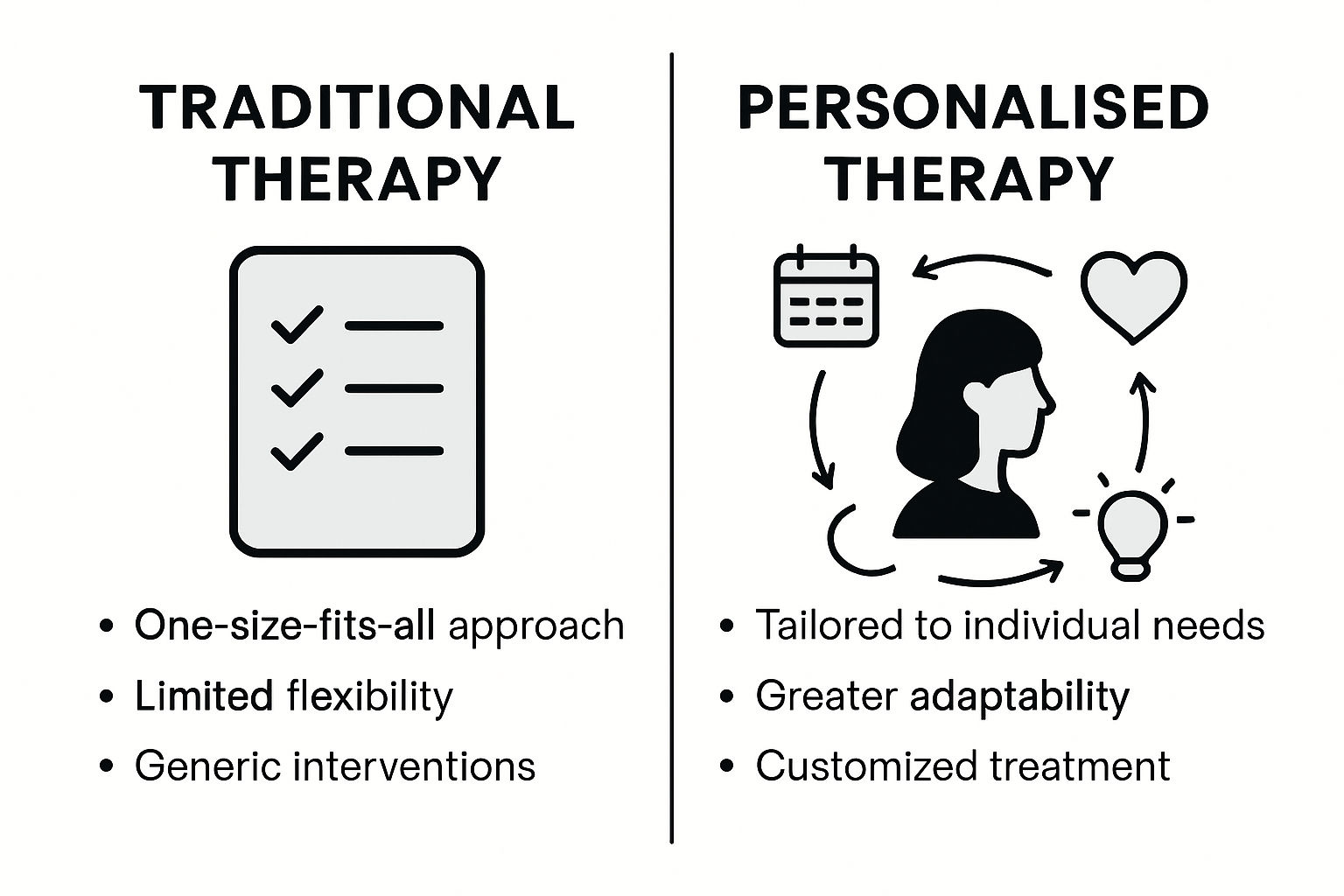
Traditional therapeutic approaches often rely on standardised diagnostic criteria and uniform treatment plans. In contrast,personalised therapeutic methodsacknowledge the intricate nuances of individual psychological experiences. Emerging research from biomedical perspectives suggests that understanding personalisation requires a deeper philosophical examination of how we conceptualise individual experiences. The philosophical underpinnings challenge us to view personalisation not merely as technical customisation, but as a profound recognition of individual human complexity.
The key characteristics of personalised therapy include:
Comprehensive individual assessment
Adaptive treatment strategies
Holistic understanding of psychological triggers
Neurologically informed interventions
Flexible therapeutic approaches
For professional women navigating complex emotional landscapes during perimenopause and midlife transitions, personalised therapy offers a targeted, empathetic approach. By recognising that each woman’s journey is distinct, these therapeutic methods provide a more responsive and effective pathway to emotional healing and personal transformation.
Therapeutic Approaches Tailored to Women’s Needs
Women navigating perimenopause and midlife transitions face unique psychological challenges that demand specialised therapeutic interventions. Neurologically informed treatments recognise that hormonal fluctuations can profoundly impact emotional regulation, cognitive processing, and overall mental well-being. These targeted approaches move beyond generic counselling, addressing the intricate biochemical and psychological shifts specific to women’s developmental stages.
The complexity of women’s emotional experiences requires nuanced therapeutic strategies that acknowledge multiple interconnected factors.Holistic therapyconsiders not just symptomatic treatment, but explores deeper psychological patterns, childhood experiences, relationship dynamics, and physiological changes. This comprehensive approach enables women to understand the root causes of their emotional challenges, rather than merely managing surface-level symptoms.
Key therapeutic strategies designed specifically for women include:
Trauma-informed care sensitive to gender experiences
Hormonal transition counselling
Stress management techniques aligned with neurological changes
Emotional resilience building
Identity reconstruction during life transitions
For professional women experiencing anxiety, sleep disruptions, and emotional volatility, these tailored therapeutic approaches provide a compassionate, scientifically grounded pathway to healing. By recognising the multifaceted nature of women’s psychological experiences, personalised therapy offers a transformative journey towards emotional clarity, self-understanding, and renewed personal empowerment.
Addressing Anxiety, Trauma, and Emotional Eating
Women experiencing complex emotional challenges often find themselves trapped in intricate patterns of anxiety, unresolved trauma, and maladaptive coping mechanisms like emotional eating.Feminist-informed counselling interventionsrecognise that these interconnected experiences require holistic, nuanced therapeutic approaches that go beyond surface-level symptom management.

Understanding the deep neurological and psychological roots of emotional eating demands a comprehensive strategy.Trauma-informed therapyexplores the underlying emotional triggers that drive compulsive eating behaviours, acknowledging that these patterns are often complex survival mechanisms developed in response to unprocessed psychological experiences.Embodied stress disclosure techniquesprovide innovative pathways for women to reconnect with their bodily experiences, transforming unconscious coping strategies into intentional healing processes.
Key therapeutic strategies for addressing these interconnected challenges include:
Identifying unconscious emotional eating triggers
Developing somatic awareness and body-mind connection
Processing historical trauma without retraumatisation
Building emotional regulation skills
Creating personalised stress management frameworks
Reconstructing healthy relationships with food and self
For professional women navigating perimenopause and midlife transitions, these targeted interventions offer more than symptom relief. They provide a transformative journey towards understanding complex emotional landscapes, reclaiming personal agency, and developing resilient, compassionate self-care strategies that honour the intricate nature of women’s psychological experiences.
The Benefits Over Traditional One-Size-Fits-All Methods
Traditional therapeutic approaches have long relied on standardised treatment protocols that overlook the profound complexity of individual psychological experiences.Sociotechnical frameworks for personalised interventionschallenge these generic methodologies by emphasising the critical importance of individual context, social dynamics, and unique neurological patterns that shape women’s mental health experiences.
Personalised therapeutic methodsrepresent a radical departure from conventional treatment models. Unlike generic counselling approaches that apply uniform strategies, these innovative interventions recognise that each woman’s psychological landscape is as unique as her fingerprint.Equitable, person-centred care strategieshighlight how tailored approaches can address systemic health inequities by acknowledging individual variations in emotional processing, trauma responses, and physiological experiences.
Key advantages of personalised therapy over traditional methods include:
Precise identification of root psychological triggers
Adaptive treatment strategies that evolve with individual needs
Deep recognition of personal narrative and lived experiences
Nuanced understanding of neurological and emotional complexity
Targeted interventions that respect individual boundaries
Holistic approaches beyond symptomatic treatment
For professional women navigating complex emotional terrains during perimenopause and midlife transitions, personalised therapy offers more than just symptom management. It provides a transformative pathway to genuine self-understanding, empowerment, and sustainable emotional healing that respects the intricate, multifaceted nature of women’s psychological experiences.
Empowerment, Confidentiality, and Long-Term Impact
Empowerment is not merely a concept but a transformative process that fundamentally reshapes women’s approach to mental health and personal growth.Research on women’s health-seeking behavioursdemonstrates that confidential, personalised therapeutic interventions are crucial in dismantling sociocultural barriers and promoting genuine psychological autonomy.
Therapeutic confidentialityserves as a cornerstone of transformative healing, creating a sacred space where professional women can explore their deepest vulnerabilities without fear of judgment or external scrutiny.Personalised mentoring modelsreveal how tailored support systems can generate sustained positive outcomes, enabling women to reclaim agency in both personal and professional domains. This approach goes beyond traditional counselling by recognising that true empowerment emerges from deeply respectful, individualised interventions.
Key elements of empowerment through personalised therapy include:
Creating safe, non-judgmental therapeutic environments
Developing internal emotional regulation skills
Challenging inherited psychological narratives
Building robust self-advocacy mechanisms
Reconstructing personal identity during life transitions
Establishing healthy interpersonal boundaries
For professional women experiencing perimenopause and midlife transitions, these empowerment strategies offer more than temporary relief. They provide a profound pathway to reclaiming personal narrative, transforming historical psychological patterns, and developing resilient, compassionate self-understanding that transcends traditional therapeutic limitations.
Embrace Personalised Therapy to Transform Emotional Challenges
Every woman’s emotional journey is unique, especially during perimenopause and midlife transitions where anxiety, trauma, and complex psychological patterns often intensify. The article highlights how traditional one-size-fits-all therapy may overlook these intricacies, emphasising the need forpersonalised therapythat addresses neurological, hormonal, and emotional complexities holistically. If you are a professional woman seeking deeper emotional clarity and empowerment, recognising your individual psychological landscape is the first step towards sustainable healing.
Discover how personalised therapeutic methods can help you unlock your potential through adaptive, empathetic approaches designed just for you.
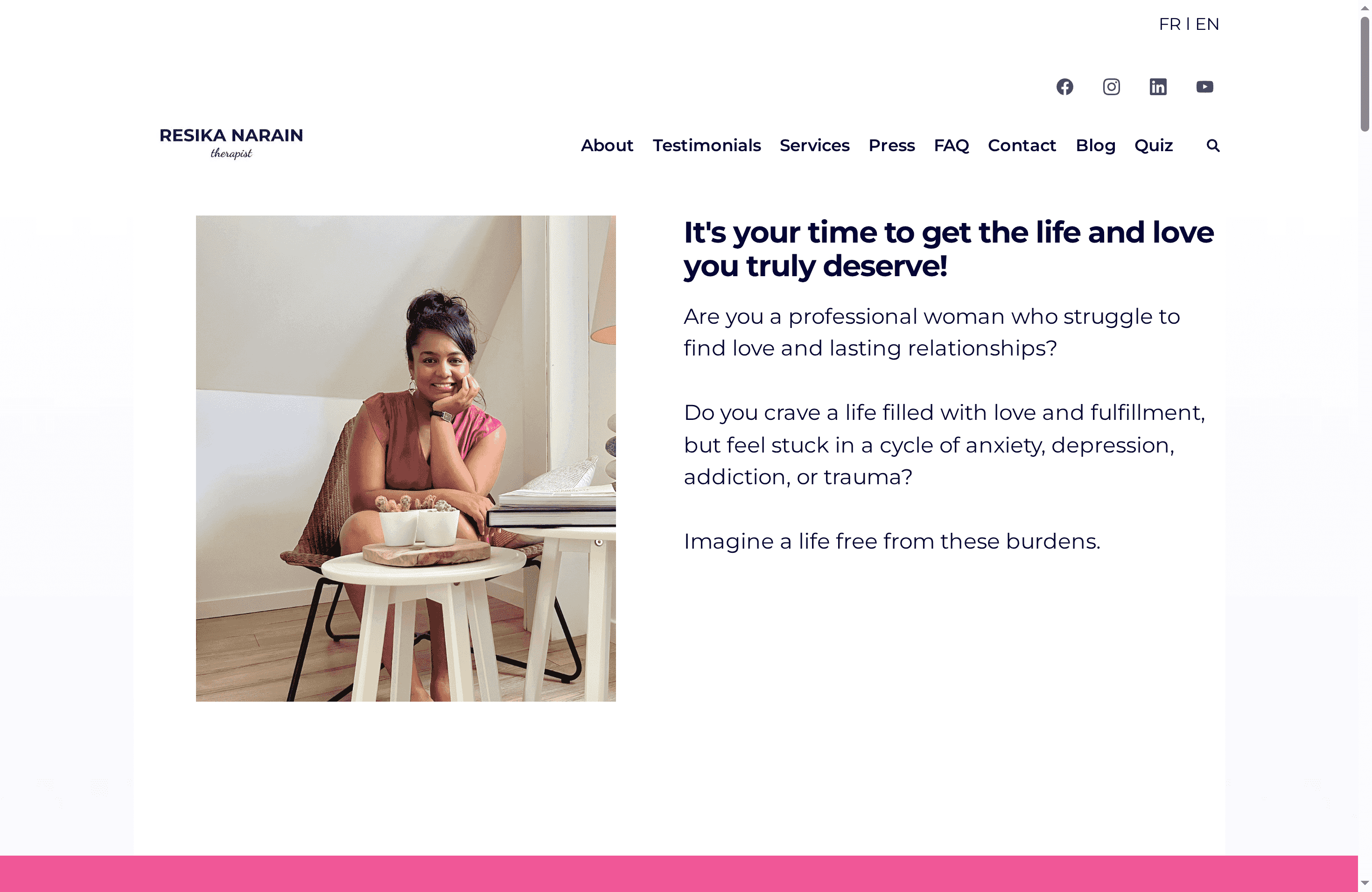
Take the step today by exploring tailored support and transformational therapy atResikaNarain.comwhere confidentiality, empowerment, and scientific insight come together. Visit now for expert guidance on anxiety relief, trauma recovery, emotional resilience, and rebuilding your personal narrative with care and understanding.
Frequently Asked Questions
What is personalised therapy?
Personalised therapy is a tailored approach to mental health treatment that focuses on an individual’s unique psychological experiences, considering factors such as personal history, neurological patterns, and life circumstances. It moves beyond generic treatment methods to provide targeted interventions that meet individual needs.
How does personalised therapy differ from traditional therapy?
Unlike traditional therapy, which often relies on standardised diagnostic criteria and uniform treatment plans, personalised therapy adapts its strategies based on a comprehensive assessment of the individual’s emotional landscape, ensuring that interventions are specifically designed to address the complexities of each person’s psychological state.
Who can benefit from personalised therapy?
Personalised therapy is particularly beneficial for women navigating complex emotional challenges during perimenopause and midlife transitions. This approach acknowledges the unique psychological struggles faced by women at these stages, offering targeted, supportive interventions that foster emotional healing and empowerment.
What therapeutic strategies are used in personalised therapy for women?
Therapeutic strategies in personalised therapy for women include trauma-informed care, hormonal transition counselling, emotional resilience building, and stress management techniques. These approaches are designed to address the multifaceted nature of women’s emotional experiences, aiming to develop a deeper understanding of personal challenges and promote effective coping mechanisms.
